


89 4runner with the 22re
In addition to cleaning up the under hood wiring a bit, I’m swapping out the factory alternator for a GM 1 wire. Right now, I’m trying to figure out what to do with the wires that are currently hooked up to the “Glow/Am 1” 80A fuse in the fuse box located behind the battery.
Fuse layout:
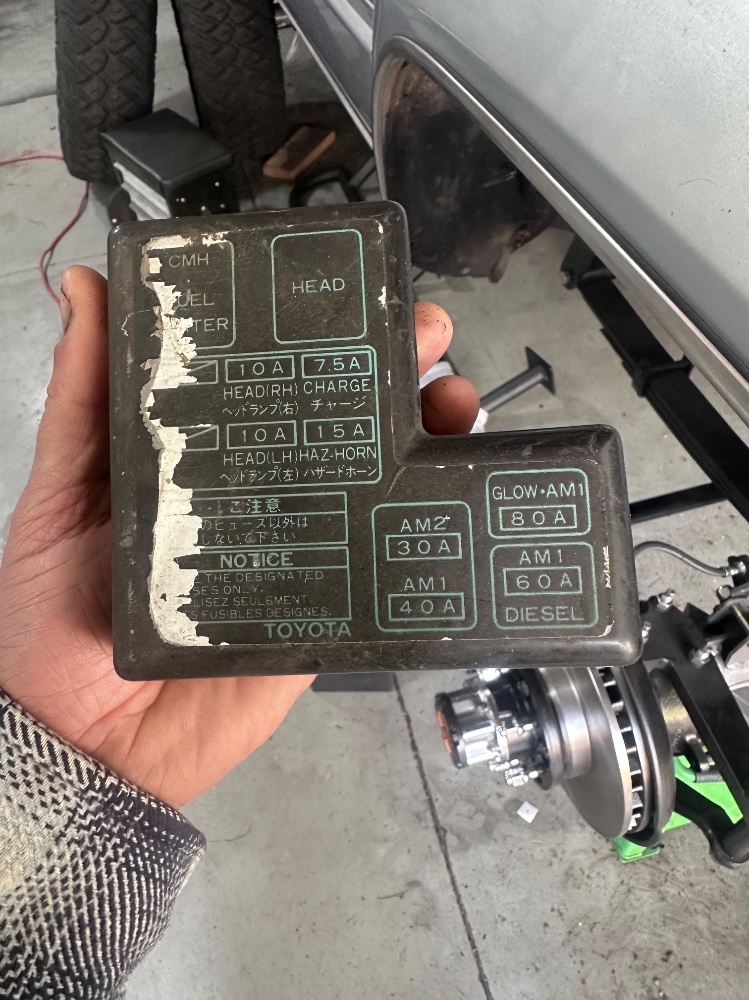
This is the 80A fuse. It’s shot, and I’m replacing it.
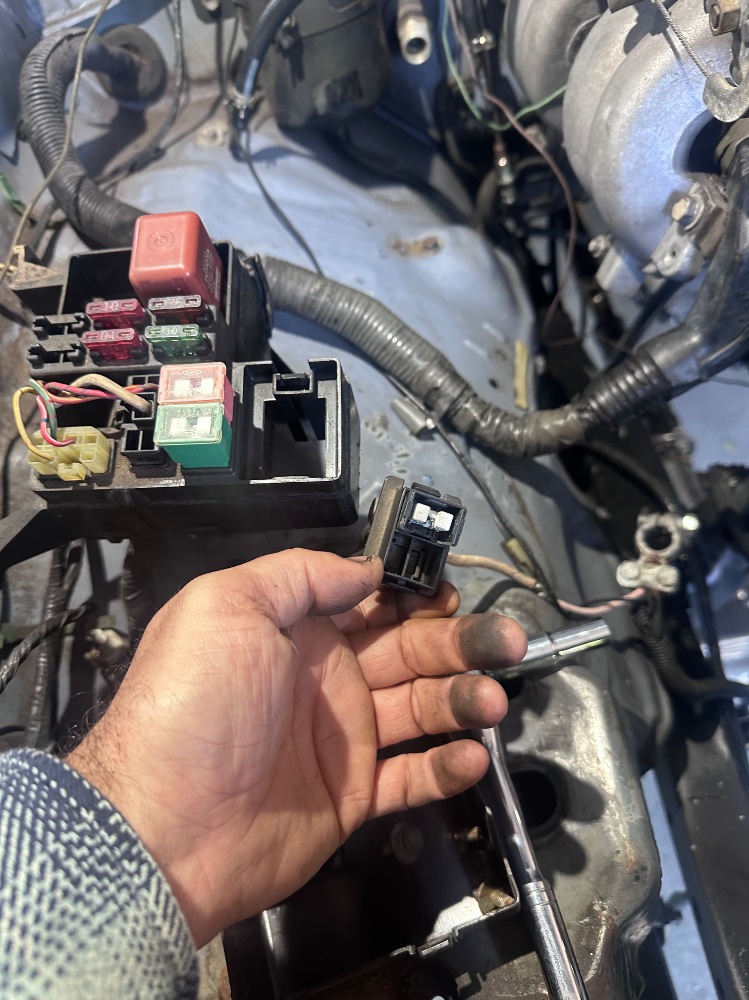
This wire (on the left side of the fuse - it’s white) runs to, what looks like, an in-line fuse/circuit breaker on the driver side inner fender, and then connects to the positive post on the factory alternator. I’m not great at reading wiring schematics, but according to my Haynes manual and my multimeter, that white wire also splices into at least 1 other wire (maybe 2) that runs to the 40A “AM 1” fuse in the same fuse box.
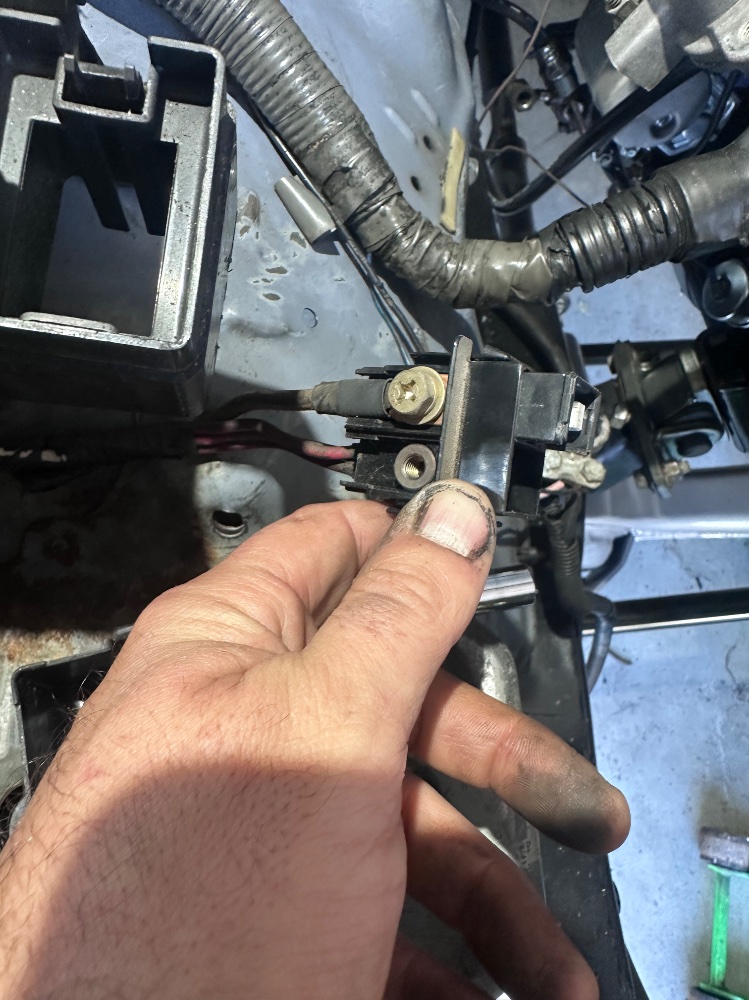
In-line fuse/circuit breaker thingy.
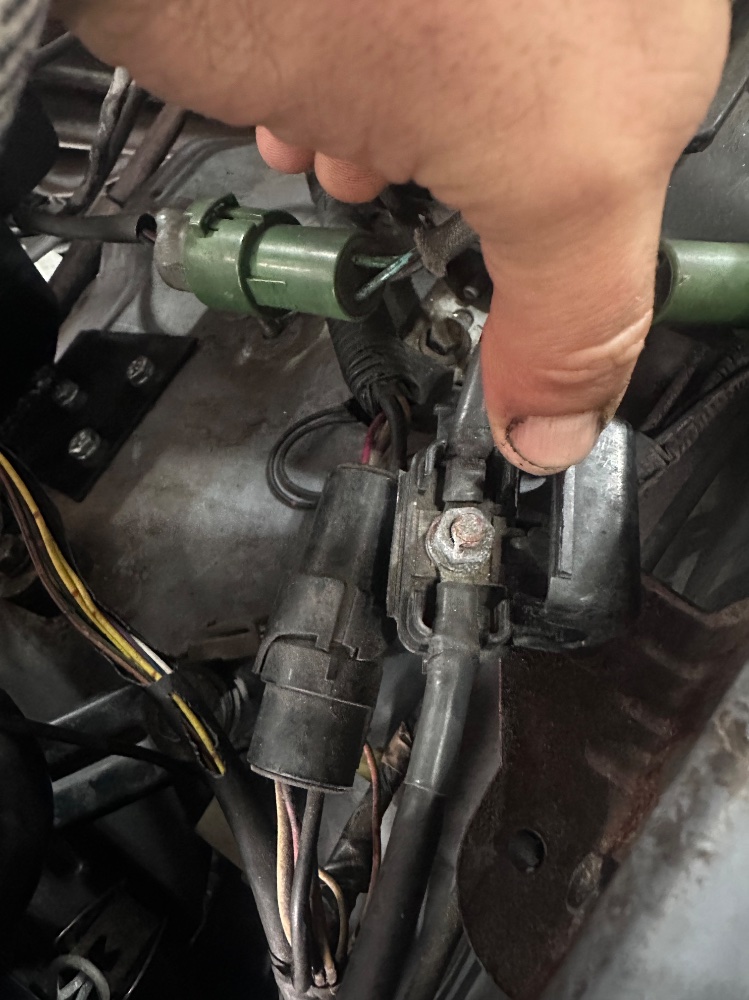
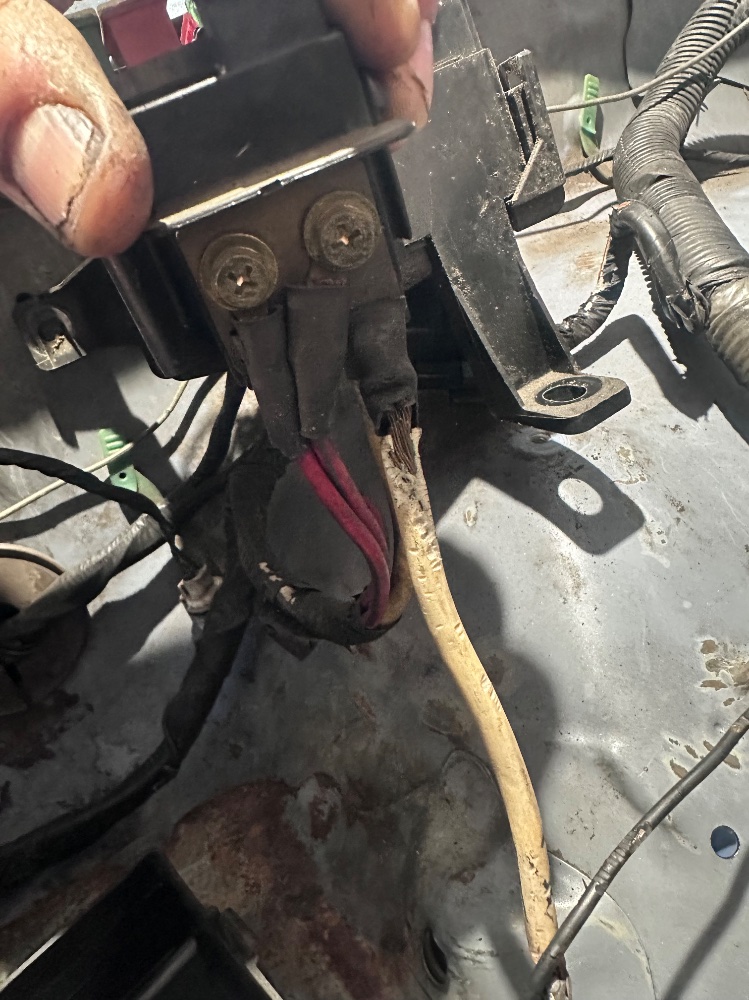
This is the right side of the 80A fuse. The larger white wire is connected to the positive terminal on the battery. The 3 red-blue wires go to other stuff that I haven’t fully traced out yet. All 4 of these wires are constantly hot the way they are currently wired.
With respect to the GM alternator, my plan was/is to hook the charging wire directly from the post on the alternator to the battery positive terminal. My questions are as follows:
1. What do I do with the original white wire that runs from the original alternator post, through the in-line fuse/breaker, to the left side of the 80A fuse? It seems as though I need to leave it connected to the left side of the 80A fuse because it splices into some other wires/circuits. Should I just disconnect the short section the goes from the alternator post to the in-line fuse/breaker, and make sure that breaker is covered/protected?
2. The factory alternator output is something like 60 or 70 amps. My GM alternator has a max output of 150 amps. Am I going to be popping this 80A fuse constantly? If so, what’s the permanent/right fix?
3. WTF is the purpose of the 80A fuse? Lol.
In addition to cleaning up the under hood wiring a bit, I’m swapping out the factory alternator for a GM 1 wire. Right now, I’m trying to figure out what to do with the wires that are currently hooked up to the “Glow/Am 1” 80A fuse in the fuse box located behind the battery.
Fuse layout:
This is the 80A fuse. It’s shot, and I’m replacing it.
This wire (on the left side of the fuse - it’s white) runs to, what looks like, an in-line fuse/circuit breaker on the driver side inner fender, and then connects to the positive post on the factory alternator. I’m not great at reading wiring schematics, but according to my Haynes manual and my multimeter, that white wire also splices into at least 1 other wire (maybe 2) that runs to the 40A “AM 1” fuse in the same fuse box.
In-line fuse/circuit breaker thingy.
This is the right side of the 80A fuse. The larger white wire is connected to the positive terminal on the battery. The 3 red-blue wires go to other stuff that I haven’t fully traced out yet. All 4 of these wires are constantly hot the way they are currently wired.
With respect to the GM alternator, my plan was/is to hook the charging wire directly from the post on the alternator to the battery positive terminal. My questions are as follows:
1. What do I do with the original white wire that runs from the original alternator post, through the in-line fuse/breaker, to the left side of the 80A fuse? It seems as though I need to leave it connected to the left side of the 80A fuse because it splices into some other wires/circuits. Should I just disconnect the short section the goes from the alternator post to the in-line fuse/breaker, and make sure that breaker is covered/protected?
2. The factory alternator output is something like 60 or 70 amps. My GM alternator has a max output of 150 amps. Am I going to be popping this 80A fuse constantly? If so, what’s the permanent/right fix?
3. WTF is the purpose of the 80A fuse? Lol.
Last edited:


